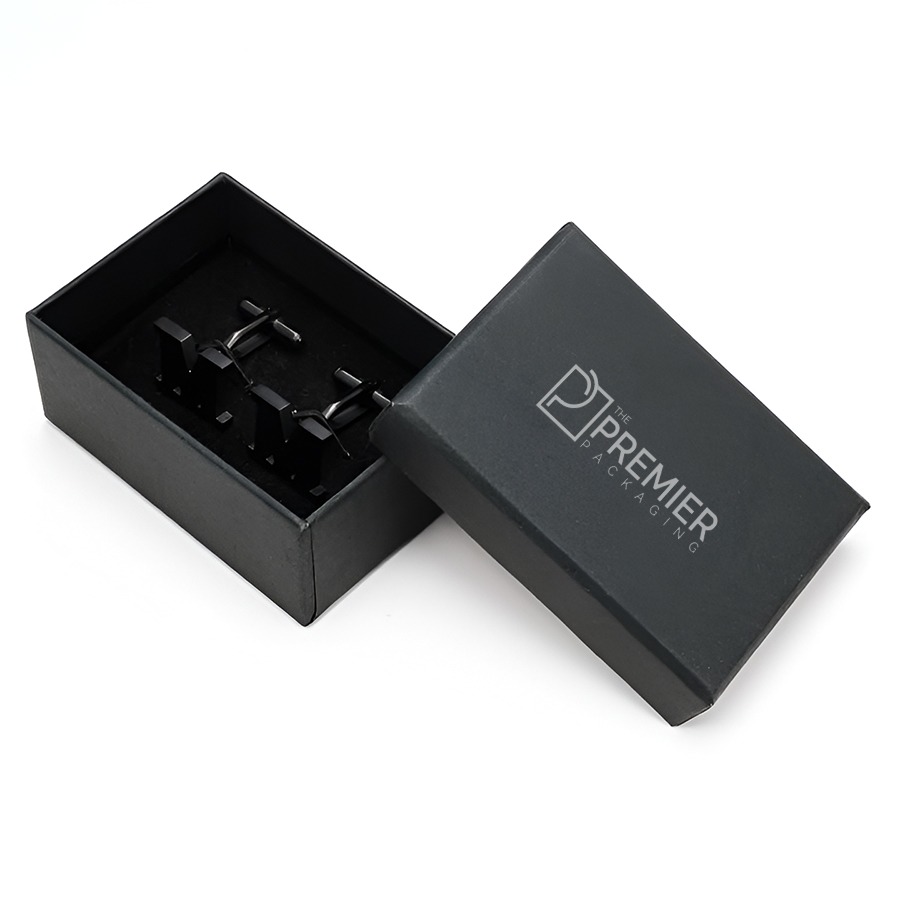
A Little Box For a Big Gig
I have a box. It is small. You can hold it in the palm of your hand. And it contains two very small objects that few people under 40 years old have ever seen. The box is a custom cufflink box. And in 2016, it was one of the most unexpected luxury branding accessories in the United States.
Wait Cufflinks? Those sparkles that you put on your dress shirts? Yes. Exactly those. Cufflinks have been considered old-fashioned. Grandfather stuff. Boardroom stuff. But fashion is a cycle. In fashion, the old comes back in style. Millennial professionals, art directors, and even sneaker designers have begun wearing cufflinks again. Not blingy, ostentatious, 1980s-style gold ones. Small, trendy, often artisanal cufflinks made from resin, leather, recycled, or even wood. And each and every pair has a box
The Box is More Valuable than the Cufflinks
Here’s the thing. It often costs more to make a cufflink box than it does to make the cufflinks themselves. It seems like the reverse, I know. But think about it. That pair of plain, matte black, brass cufflinks might cost three dollars to produce. A special packaging box with a magnetic clasp, a foam insert, a silk lining, and a logo embossed on it might cost five dollars or more. Why would a brand do that, then? It’s that emotion that contemporary brands are buying.
From Groomsmen to Scotch
The trend of Custom Cufflink Boxes began with weddings. Grooms wanted special presents for their groomsmen. The standard cardboard box with a sticker wasn’t good enough. So artisan woodworking and paper product businesses started offering boxes. You could select the wood, the liner paper, or even have a date or name engraved into the lid.
But then things started to change. Non-wedding brands noticed. A small Kentucky-based distillery began including cufflinks with each bottle of its limited-edition bourbon. The cuffs looked like barrels. The box was shaped like a crate. People unboxed them, and the videos were viewed more than the whiskey. An Austin tech company gifted cufflink boxes to its 10 biggest investors. In the boxes were cufflinks made from old circuit boards. The investors used the boxes as paperweights. Every day, they get free advertising.
By 2025, the market for bespoke cufflink boxes in the USA had more than doubled in the past three years. There are now many small firms dedicated to it. They’re called Box & Stud, CuffCase, and The Final Clasp. They are judged on the quality of the hinge, the thickness of the foam padding, and whether the lid can stay at a right angle.
The Premium Box of 2026
Let’s get the skinny on why not all boxes are created equal. In 2016, the premium custom cufflink box had four characteristics.
First, a weight. Cheap boxes feel hollow. Quality boxes have a solid base, sometimes with a thin sheet of metal or an extra layer of chipboard. It should be heavy in the hand.
Second, a closure. Magnets are standard now. But a great box has a concealed magnetic latch that snaps into place without any obvious parts. Some of the most expensive use leather straps or tiny brass clasps.
Third, an insert. The foam (or felt) cutout must secure the cufflinks. No rattling. No shifting. Now, many companies are using die-cut foam to house their cufflinks. When the box is inverted, the cufflinks should not drop out.
Fourth, a story. This is the new one. The inside of the lid is no longer blank. Companies write a note or date, a map of coordinates, or a tiny drawing. One company prints a different dad joke inside every box. Another prints a QR code that scans to a 15-second video of the cufflinks being crafted.
American Manufacturers Fighting Back
For years, nearly all small gift boxes have been imported from China. Low cost. Fast shipping. No questions asked. But the cufflink box craze has provided an opportunity for domestic manufacturers. There are small manufacturers in Ohio, North Carolina, and Oregon who make them entirely in the USA. The cardboard comes from local mills. The foam is cut by local workers. The silk is printed in-state.
A Pennsylvania manufacturer told me last month, “We used to make boxes for pharmaceutical samples. Boring white cardboard. Now we make velvet-lined cufflink boxes for a sneaker brand, a hot sauce company, and a bookstore. The bookstore sells cufflinks shaped like tiny vintage books. I am not joking.”
Dark Side of the Tiny Box
Not everything is perfect. A new form of waste has emerged from the trend of custom cufflink boxes. People don’t want to throw these boxes away. But they are too small to be repurposed. People keep them in drawers. They pile up. They become clutter. Some brands have a return service. You return the cufflink box, and they send you a new pair for a discount. Some brands use foam derived from mushroom roots.
Final Words
Let me backtrack and be clear. A cufflink box is a very small stage. The cufflinks are the actors. But a stage matters. A poor stage makes great actors look mediocre. A beautiful stage makes good actors look magical. This is what brands have learned in the US in 2026. Customers do not want to possess things. They want to unwrap things. They want the anticipation. They want the click of the magnetized lid. They want to show their friends a secret box.
The cufflinks may be or may not be. That is fashion. But the box? The box is here to stay. The box is not about cufflinks. It is about respect. It means: we care about you, even before you open the box.