In today’s fast-paced business world, creating an impactful first impression has become more critical than ever. Every brand seeks to leave a lasting mark, and the way a business communicates visually plays a significant role in shaping perception. Signage has evolved far beyond mere direction indicators; it now serves as a powerful tool to communicate brand identity, convey emotions, and create memorable experiences for customers and visitors. Whether in a boutique, office, or large commercial center, visual elements play a vital role in setting the tone for interaction and engagement. Investing in well-designed signage ensures that a business stands out in a competitive market and leaves a lasting impression.
The Importance of Visual Communication in Modern Spaces
Visual communication is central to shaping how people perceive a brand. When customers enter a store or corporate environment, the first things they notice are visual cues that influence their judgment. Signage acts as a silent ambassador, reflecting professionalism, creativity, and trustworthiness without a single word. On a practical level, signage helps guide visitors, inform them, and maintain smooth navigation. From a marketing perspective, it reinforces brand messaging and contributes to customer recall. A thoughtfully designed sign can enhance recognition, encourage interaction, and even drive sales by highlighting specific promotions or services. In short, signage bridges aesthetics with functionality.
Integrating Technology in Signage Solutions
Modern signage increasingly incorporates technology, allowing brands to adapt their messaging dynamically. Digital displays, interactive panels, and integrated lighting solutions make it possible to communicate information in real-time. Businesses can display personalized messages tailored to their audience, adjusting content for different times of day or specific events. Technology also provides data insights on foot traffic and engagement, enabling more strategic decision-making. When design and technology work together, signage becomes more than informative; it becomes an immersive experience that draws attention and reinforces brand identity.
Creating a Memorable Customer Experience
One of the key roles of signage is to create memorable customer experiences. Thoughtfully designed signage adds personality to a space, helping customers feel welcomed and engaged. By complementing interior design elements, signage enhances architectural features and strengthens the overall aesthetic. The use of vibrant colors, textures, and lighting can transform ordinary corridors and entrances into immersive brand journeys. Customers are more likely to remember spaces where they felt intrigued or inspired, and signage is an essential tool in evoking these positive emotions. In turn, it builds brand loyalty and fosters repeat visits.
3D Signage and Its Growing Popularity
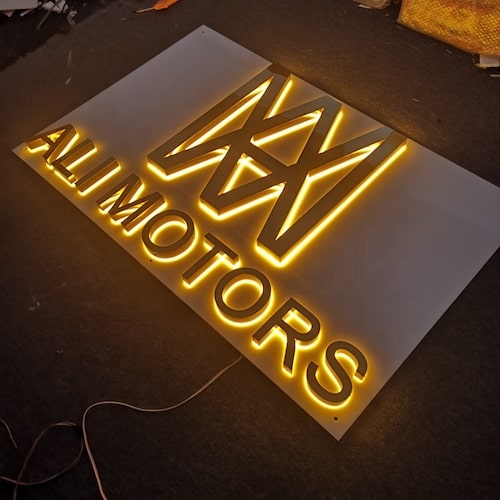
Among the innovative signage solutions available today, 3D Signage has emerged as a popular choice for businesses seeking a distinctive visual impact. Unlike flat signs, 3D Signage provides depth and prominence, making it highly noticeable from multiple angles and distances. These signs are versatile, suitable for indoor and outdoor environments, and can effectively showcase logos, brand names, or promotional messages. The tactile and visually engaging nature of 3D Signage encourages interaction, drawing attention and leaving a lasting impression on anyone who encounters it. Companies often use it not just for direction or information but to make a bold branding statement that reflects quality and creativity.
Materials and Techniques in Modern Signage
The choice of materials and fabrication techniques is crucial for impactful signage. Metals, acrylic, wood, and composite materials each offer unique visual and functional benefits. Advanced methods such as CNC routing, laser cutting, and custom illumination allow for precise and intricate designs. Combining materials creatively enhances durability while producing eye-catching effects. Businesses increasingly favor bespoke signage that aligns with their branding, ensuring every element from color to texture contributes to a cohesive identity. High-quality materials and craftsmanship elevate the perception of a brand, reinforcing professionalism and attention to detail.
Outdoor and Indoor Applications
Signage serves multiple purposes depending on its placement. Outdoor signage focuses on visibility, durability, and weather resistance, ensuring that signs remain effective and attractive despite environmental factors. Indoor signage emphasizes aesthetics, navigation, and engagement, often incorporating interactive or illuminated features. 3D Signage works well in both contexts, offering adaptability and a striking visual presence. Outdoor installations typically use robust materials like aluminum or weather-resistant composites, while indoor signs often employ lighting, layering, or textured finishes to create a memorable environment. Proper integration enhances the overall experience for visitors and employees alike.
The Psychological Impact of Signage
Signage also has significant psychological effects on visitors. Well-placed signs reduce confusion, improve navigation, and create a smoother experience. Eye-catching designs increase dwell time and subtly encourage interaction with products or services. Color, shape, and texture can evoke emotions, influence mood, and strengthen brand recall. Businesses that understand the psychological power of signage can use it strategically to enhance customer satisfaction, reinforce brand credibility, and support marketing objectives. Signage communicates professionalism and attention to detail, which leaves a lasting impression beyond the immediate visual interaction.
Maintenance and Longevity Considerations
To maintain a professional appearance, signage requires proper upkeep. Outdoor signage is particularly susceptible to weathering, while indoor installations benefit from regular cleaning and occasional updates. Investing in high-quality materials initially reduces long-term maintenance costs and ensures longevity. Many businesses now consider sustainability when selecting materials, opting for eco-friendly options and energy-efficient lighting. Thoughtful maintenance preserves the visual appeal and functionality of signs over time, ensuring that every installation continues to positively represent the brand.
Signage as a Marketing Tool
Beyond its functional purpose, signage is a key marketing tool. Strategically placed signs attract attention, communicate offerings, and reinforce branding. Dynamic signage allows real-time updates for promotions, events, or announcements, making it a flexible and effective tool for customer engagement. By integrating signage into broader marketing strategies, businesses can create immersive brand experiences that complement digital campaigns, social media efforts, and in-store promotions. High-impact signage builds awareness, drives foot traffic, and strengthens the connection between customers and the brand.
3D Signage in Branding Strategy
Incorporating 3D Signage into a branding strategy elevates a company’s visual identity. Its depth and dimensionality make it stand out in crowded environments, ensuring logos, names, and messages are noticed. 3D Signage conveys quality, creativity, and innovation, reflecting positively on the brand. When used thoughtfully, it transforms spaces into immersive experiences that leave lasting impressions. From corporate lobbies to retail outlets, 3D Signage is a versatile tool that enhances brand perception and supports strategic communication.
Future Trends in Signage Design
The future of signage emphasizes interactivity, personalization, and sustainability. Businesses are exploring augmented reality, motion-activated displays, and smart lighting technologies. Eco-friendly materials and energy-efficient solutions are becoming standard, reflecting broader societal values. Signage that adapts to evolving customer expectations will continue to play a central role in creating engaging and memorable environments. Forward-thinking brands that embrace these trends ensure their spaces remain modern, functional, and aesthetically appealing.
Implementing Signage in Corporate Environments
Corporate spaces benefit greatly from effective signage strategies. Clear and attractive signs improve navigation, reduce stress for employees and visitors, and create a professional atmosphere. Branding through signage reinforces company culture and identity, promoting cohesion across offices, lobbies, and conference areas. Innovative 3D Signage solutions can communicate corporate values and enhance the workspace, inspiring creativity and confidence among staff and guests. Investing in high-quality signage demonstrates attention to detail, professionalism, and commitment to a positive experience.
FAQs
What makes 3D Signage different from traditional signage?
Three-dimensional signs offer depth, visual appeal, and enhanced visibility compared to flat signs, creating a stronger brand presence.
Are 3D signs suitable for outdoor use?
Yes, when made with durable and weather-resistant materials, 3D Signage performs well outdoors and maintains its aesthetic appeal.
Can 3D Signage be customized for any brand?
Absolutely. 3D Signage can be tailored to match a brand’s color scheme, logo, and overall design aesthetic for a personalized experience.
How long does 3D Signage typically last?
With proper materials and maintenance, 3D Signage can last many years while maintaining visual and structural integrity.
Is 3D Signage more expensive than traditional signs?
While initial costs may be higher due to materials and fabrication, the impact and longevity often justify the investment.
Conclusion
Signage has evolved into a vital element of branding, communication, and customer experience. Modern design, innovative materials, and strategic placement make it more than just functional it is an extension of a brand’s identity. 3D Signage, in particular, creates depth, engagement, and memorability, making it a compelling choice for businesses of all sizes. By considering design, placement, and maintenance, companies can maximize the impact of signage, ensuring it communicates professionalism, creativity, and brand values effectively. Thoughtful signage transforms spaces, strengthens brand recognition, and leaves lasting impressions that resonate with customers and visitors alike.
Author Bio
Ajwaa Abd is a branding and design expert specializing in innovative signage solutions. Learn more about her work and explore creative 3D Signage at Ajwaa.